Recycling and Sustainability for Gardeners Upton Park
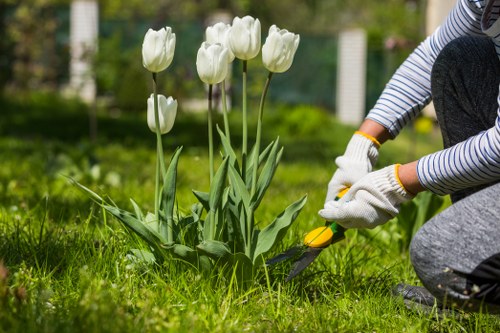 Gardeners Upton Park takes a practical, local approach to sustainability, combining responsible recycling habits with low-emission operations and careful material handling. Our work is shaped by the everyday reality of East London: limited space, busy streets, varied housing types, and a strong need for services that keep waste streams clean and manageable. In this setting, sustainable gardening is not just about looking tidy; it is about reducing environmental impact at every stage, from green waste collection to the use of efficient vehicles and the reuse of suitable materials. Recycling and sustainability are built into how the team plans, loads, separates, and transports site waste.
We aim to keep a high proportion of garden and site waste away from landfill, with a recycling percentage target of 90% for suitable green waste and recyclable materials. That target reflects our commitment to sorting cuttings, branches, soil, pots, and packaging carefully so that as much as possible can be recovered or repurposed. Where practical, organic matter is routed into composting or biomass recovery, while non-organic waste is separated for the right downstream process. The result is a more sustainable service that supports cleaner gardens and a lower carbon footprint across the borough.
Gardeners Upton Park also works with local transfer stations to ensure waste is handled efficiently and in line with borough expectations. In an area where councils often place strong emphasis on kerbside separation, mixed recycling restrictions, and contamination reduction, using the right transfer point matters. Soil, rubble, timber, plant matter, and general rubbish may each follow different routes, depending on condition and composition.  This careful sorting helps prevent recyclable material from being lost in mixed waste streams and supports a smoother process for local disposal and recovery.
Partnerships with charities are another important part of our sustainability work. Some items removed from gardens, such as reusable planters, outdoor furniture, tools, decorative containers, and selected hard landscaping pieces, may be suitable for donation rather than disposal. By linking with charity organisations and community reuse channels, Gardeners Upton Park helps extend the life of useful materials while reducing waste. This circular approach is especially valuable in neighbourhoods where community-led reuse can make a meaningful difference, turning surplus into a resource for others.
The environmental benefits continue in transport. Our fleet includes low-carbon vans designed to reduce emissions on local journeys between properties, transfer stations, and recycling partners. These vehicles are chosen for efficiency, reliability, and reduced fuel use, which is especially important in urban work where short trips and frequent stops are common. We aim to minimise idling, plan routes carefully, and consolidate collections where possible so that each visit has a smaller impact.  A lower-emission fleet helps support a greener service without compromising the flexibility needed for busy garden maintenance schedules.
Waste separation is also influenced by the way local boroughs manage recycling rules. In East London, there is often a strong focus on keeping food waste, dry recyclables, and garden waste separate from general rubbish, while bulky or mixed materials may need different handling. Our team works with these expectations in mind, particularly when clearing overgrown plots, seasonal pruning debris, or old planting materials. Clean segregation improves recovery rates and makes it easier for organic material to be processed correctly rather than becoming part of residual waste.
Gardeners Upton Park views sustainability as a chain of small, consistent choices. For example, where feasible, green waste such as hedge trimmings, leaves, and soft plant material is kept separate from soil and inert rubble, because clean organic waste has a better chance of being composted or recycled. Wooden offcuts may be diverted for reuse or material recovery, while metal fixtures can be sorted for scrap recycling. Even packaging from supplies is checked for recovery potential, helping to reduce the amount that ends up in general disposal.
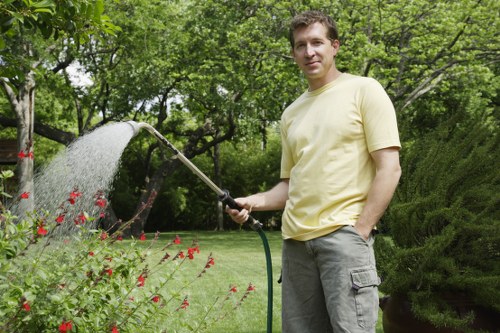 We also try to support the wider local economy by favouring practical, low-impact methods that fit urban conditions. That can mean using hand tools where suitable, reducing unnecessary engine use, and planning jobs to avoid repeated journeys. In gardens with limited access, smaller vehicles and careful loading can make a notable difference to emissions and congestion. These details may seem modest, but together they reflect a serious commitment to environmentally responsible garden services.
Our recycling and sustainability standards are not treated as a separate feature; they are part of the service itself. Whether we are clearing seasonal waste, managing routine maintenance by-products, or sorting materials after a larger garden project, the aim is the same: keep valuable resources in circulation, reduce landfill dependency, and work in step with local waste systems. 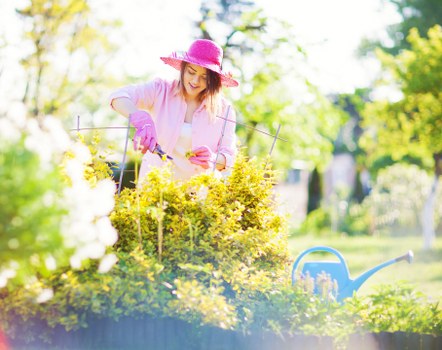 That means Gardeners Upton Park can deliver tidy, well-managed outdoor spaces while supporting a cleaner, more sustainable borough for the long term.