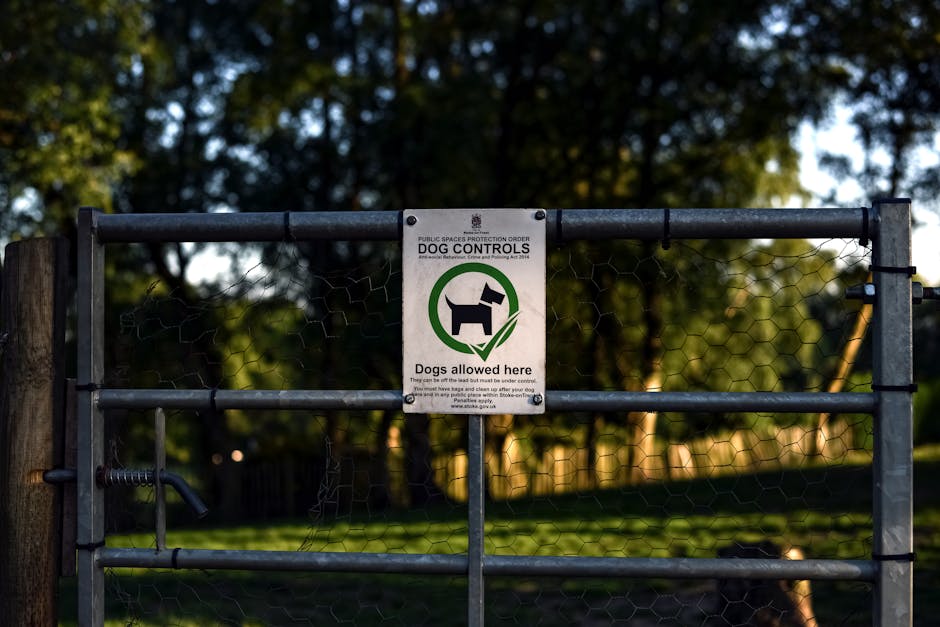
What Newham Council rules mean for Upton Park gardeners
If you garden in Upton Park, the rules around fences, trees, waste, parking, noise, and front-garden changes can shape what you do more than the weather ever will. That is the awkward bit, really. You might be planning a neat new boundary, a pruning job, or a complete refresh, and suddenly local rules matter just as much as plant choice. This guide explains what Newham Council rules mean for Upton Park gardeners in plain English, so you can make sensible decisions, avoid avoidable mistakes, and keep your garden looking good without creating problems down the line.
Truth be told, most garden projects do not fail because the design was bad. They fail because somebody skipped the boring bits: permissions, neighbour considerations, protected trees, waste disposal, access, and what is allowed in a built-up London setting. Let's sort that out properly.
Why What Newham Council rules mean for Upton Park gardeners Matters
Gardeners in Upton Park work in a dense, lived-in part of London. That means gardens are often smaller, boundaries are closer together, and changes can affect neighbours quickly. A hedge that seems harmless from your side may block light next door. A fence replacement may need to match local expectations. A tree that feels "fine" could be protected or at least worth checking before any cutting starts.
Newham Council rules matter because they help keep outdoor spaces safe, tidy, and fair for everyone nearby. They also help you avoid the classic headache of doing work twice. You know the sort of thing: you pay to have a structure built, then discover it was too tall, too close, or simply not the right option. Not fun. A little checking up front saves money, time, and quite a lot of stress.
There is another angle too. In Upton Park, gardens are not just private spaces. They affect streets, drainage, wildlife, light levels, and the overall feel of a terrace or estate. So the rules are not there to spoil the fun; they are there to make garden improvements fit properly into a shared urban environment.
If you are planning boundary work, it is worth looking at fencing solutions in Upton Park early on, because height, style, and placement can all influence whether a project stays simple or becomes a paperwork job.
How What Newham Council rules mean for Upton Park gardeners Works
There is no single "garden rule" that covers everything. In reality, the rules are a mix of planning control, neighbour law, waste handling, tree protection, and general nuisance expectations. Some things are straightforward. Others need a bit more care.
Here is the simple version.
- Boundary changes: Fences, walls, and gates may be fine as routine maintenance, but height, location, and listed or conservation-related constraints can change the picture.
- Tree work: Trees may be protected by a Tree Preservation Order or located in a conservation context, which can limit pruning or removal.
- Hedges and overgrowth: Even where there is no formal issue, trimming should avoid creating hazards, blocking paths, or causing disputes.
- Decking and hard landscaping: Larger structures or substantial changes can affect drainage, access, and sometimes planning considerations.
- Waste removal: Green waste, soil, rubble, and old timber should be handled properly. Fly-tipping or leaving waste on the pavement is asking for trouble.
What does that mean for the average gardener? It means you should think in layers. First, ask what the project is. Then ask whether it changes a boundary, tree, level, drainage pattern, or access route. Finally, ask whether it could bother anyone else. That sequence sounds basic, but honestly, it catches most problems before they happen.
For practical, everyday upkeep, many householders find it easier to stay ahead of issues with regular garden maintenance rather than waiting until the garden becomes a compliance puzzle in its own right.
A useful way to think about it
There are three questions worth asking before any outdoor job:
- Does this alter the look, height, or footprint of the garden?
- Could it affect drainage, light, or a neighbour's boundary?
- Might it involve waste, noise, or tree work that needs extra care?
If the answer is yes to any of them, pause for a moment. Not forever. Just long enough to check. That one pause can save you from a very awkward conversation over the fence, and nobody wants that on a rainy Tuesday morning.
Key Benefits and Practical Advantages
Following the right approach does more than keep you out of trouble. It usually makes the garden better.
- Cleaner project planning: You know what can happen, what needs checking, and what can be done without delays.
- Fewer neighbour disputes: Good communication and sensible boundaries prevent unnecessary friction.
- Better long-term value: Work carried out to a decent standard is easier to maintain and usually looks better for longer.
- Safer outdoor spaces: Properly handled trees, fences, paths, and surfaces reduce trip hazards and storm damage risks.
- Less waste and mess: Correct disposal keeps the garden tidy and avoids issues with local enforcement.
There is also a softer benefit that people underestimate. Once a garden feels "sorted", it becomes easier to enjoy. You stop worrying about whether the hedge is encroaching, whether the deck is too slippery, or whether that old stump is going to become a problem in winter. It just feels calmer. And in a busy part of London, calm is worth a lot.
If overgrowth is part of the problem, the right trimming approach can help you stay within good local practice. Many Upton Park homeowners look for support with hedge trimming services when the garden needs shaping without turning into a full-scale boundary dispute.
Who This Is For and When It Makes Sense
This topic matters to a wider group than you might think.
- Homeowners planning repairs, redesigns, or seasonal tidy-ups
- Landlords who need outdoor areas safe, presentable, and low-risk
- Tenants who want to improve a garden without crossing lease or boundary limits
- Older residents who need practical, low-maintenance changes rather than major build work
- Families balancing child-friendly play areas with safe boundaries and surfaces
- Dog owners trying to create a garden that works for pets without causing mess or escape issues
It makes sense any time you are considering tree work, fence replacement, major hedge cutting, paving, decking, new sheds, or a complete cleanup of a neglected outdoor space. That "I'll just get on with it" feeling is fine for deadheading roses. It is less fine when there is a boundary line or protected tree involved.
For example, if you are trying to shape the garden for family use, a thoughtful layout can help enormously. A good local article on creating a child-friendly garden can give you ideas that work with normal residential constraints rather than against them.
Step-by-Step Guidance
Here is the most sensible way to approach a garden project in Upton Park when local rules may apply.
1) Define the job clearly
Be specific. "Tidy the garden" is too vague. "Reduce hedge height, replace one broken fence panel, remove one small tree, and level a patch of lawn" is much better. The more precise you are, the easier it is to judge whether the job is routine or requires extra checks.
2) Identify what type of change it is
Ask yourself whether the work involves:
- trees or large shrubs
- boundary structures
- new hard landscaping
- changes to the front garden or street-facing edge
- waste collection or removal
These are the areas where council rules and best practice most often come into play.
3) Check for obvious constraints
Look for signs that the work may be sensitive: a mature tree, a boundary shared with neighbours, an unusual frontage, a conservation setting, or a property that seems to have established garden features. If something feels borderline, it probably deserves a second look.
4) Talk to neighbours early
This is one of the best low-cost habits you can build. A quick conversation about noise, access, and timing can prevent misunderstandings later. If a fence is being replaced or a hedge is being reduced, let people know before the first panel comes down.
5) Plan waste and access
Where will soil go? Where will cuttings go? How will tools and materials reach the rear garden? In terraced areas, access is often the hidden issue. A beautiful plan is useless if the waste cannot be moved without blocking a shared path for three hours.
6) Choose the right service for the work
Some projects need general upkeep, while others need specialists. A hedge that just needs regular shaping is very different from a mature tree needing a safe inspection. For the latter, tree surgery support is often the more appropriate route than a simple trim.
7) Finish with maintenance
Once the work is done, keep an eye on it. A fence that starts leaning, a hedge that re-shoots, or a patio that holds water after rain should be handled early. Small issues are always cheaper than big ones. Always.
Expert Tips for Better Results
Here are the habits that make a real difference in Upton Park gardens.
- Think about visibility and light: A garden change can affect more than appearance. Light, privacy, and shadow all matter in tightly packed streets.
- Use seasonal timing wisely: Wet ground, nesting birds, and winter storms all affect what is sensible. Spring and early autumn often make planning easier, but the right time depends on the job.
- Don't ignore drainage: Decking, paving, and heavy soil movement can change how water behaves after a downpour.
- Keep hedges proportional: A hedge that is too tall becomes a maintenance burden. A hedge that is well-shaped creates privacy without swallowing the space.
- Build a maintenance rhythm: A little work monthly usually beats one huge rescue job in August.
A useful tip, and one people overlook: if a garden has become a bit wild, start with structure before style. Get the edges, boundaries, and access sorted first. Flowers and ornament are lovely, but they do not help if you cannot reach the shed without stepping over brambles. Seen that more than once, to be fair.
If you are reshaping the overall look of the space, the right wider planning can help. Local landscaping support is often useful when the job involves drainage, layout, levels, or a complete refresh rather than simple tidying.
Common Mistakes to Avoid
These are the errors that create the most grief for local gardeners.
- Starting work before checking constraints: A quick assumption can lead to wasted money.
- Cutting a tree or large hedge too aggressively: Over-pruning can weaken plants and create neighbour tension.
- Ignoring boundary ownership: If you do not know whose fence or wall it is, do not treat it as yours.
- Leaving waste in the wrong place: Neat piles of branches are still waste if they block pavements or shared access.
- Choosing a project that is too ambitious for the site: Big structures in small gardens can be awkward, expensive, and difficult to maintain.
- Skipping aftercare: A shiny new feature that is never maintained quickly becomes a tired one.
There is a common pattern here: people often think the problem is the garden itself, when really the problem is the plan. A modest, well-judged change often works far better than a dramatic one that ignores local conditions.
Tools, Resources and Recommendations
Without going into shopping-list territory, a few tools and habits make life easier.
- Sharp secateurs and loppers for clean cuts on smaller growth
- Measuring tape for fences, borders, paths, and tight spaces
- Work gloves and eye protection for safe basic maintenance
- Wheelbarrow or sacks for moving cuttings and soil without making a mess
- Notebook or phone notes to record measurements, neighbour comments, and any constraints you spot
For a deeper understanding of materials and garden hygiene, it can help to read up on organic matter and reuse. The article on organic waste in soil is a good reminder that waste from one job can often support another part of the garden, if it is handled properly.
If your garden is exposed to strong winds or harsh winter weather, local rule awareness should sit alongside practical resilience. This is where articles such as handling strong wind in the garden and winter prep for garden plants can be genuinely useful, especially for smaller plots where damage becomes obvious fast.
Law, Compliance, Standards, or Best Practice
It is worth being careful here. Local garden work can involve planning controls, tree protection, waste rules, neighbour rights, and general safety duties. The exact position depends on the property and the type of work. That means no one should guess.
As a general rule of thumb, check before you:
- remove or heavily prune mature trees
- build or replace tall boundary structures
- make substantial changes to a front garden that affects drainage or street appearance
- install large decking or raised surfaces
- dispose of garden waste in any way that could be seen as fly-tipping
Best practice also means working safely. In the UK, gardening and landscaping work should follow sensible manual handling, tool safety, and site management habits. That sounds dull, but it matters. A quick job with a saw can turn into a long one if people rush and skip protection.
When in doubt, use plain-language checks: Is it permanent? Is it visible from outside? Does it affect a boundary? Does it involve a tree? Does it create waste? Those questions catch most of the things that need a closer look.
If a job is mostly about ongoing upkeep rather than one-off change, a structured service can help you stay on the right side of local expectations. Many householders prefer ongoing lawn care and regular mowing because tidy, maintained spaces are easier to manage than neglected ones.
Options, Methods, or Comparison Table
Different jobs need different approaches. The table below gives a practical comparison rather than a theoretical one.
| Garden task | What it usually involves | Rule sensitivity | Best approach |
|---|---|---|---|
| Routine mowing | Cutting lawn to keep it neat and healthy | Low | Keep it regular and avoid cutting when the ground is very wet |
| Hedge shaping | Trimming for size, privacy, and form | Medium | Check boundary lines and avoid excessive reduction |
| Fence replacement | Repairing or renewing boundary panels | Medium to high | Measure carefully and confirm whether height or ownership is an issue |
| Tree work | Pruning, crown reduction, or removal | High | Check protection status and use suitable expertise |
| Decking or paving | Creating hard surfaces or raised areas | Medium to high | Review drainage, access, and any planning-related considerations |
In plain terms, the more permanent and visible the change, the more careful you need to be. That is a helpful rule of thumb if you are trying to decide whether a project can wait, needs a check, or needs a specialist.
Case Study or Real-World Example
Picture a typical Upton Park back garden: narrow, slightly shaded, with an old fence on one side, a tired lawn in the middle, and a hedge that has slowly climbed higher than anyone planned. Nothing dramatic. Just the sort of garden that quietly asks for attention every few months.
The owner wants three things: privacy, less maintenance, and a better place to sit out with a cup of tea on a dry evening. A sensible approach would be:
- check the boundary before replacing the fence
- reduce the hedge carefully rather than cutting it back hard in one go
- inspect any mature trees before pruning
- clear and dispose of the old green waste properly
- choose a hard surface only if drainage and access make sense
In practice, that might lead to a modest fence repair, a measured hedge trim, a neater lawn plan, and a cleaner patio area instead of a total rebuild. Not glamorous, maybe, but often that is the smarter result. The garden looks better, stays manageable, and avoids unnecessary trouble.
For older or neglected spaces, the first job is sometimes just recovery. An article like breathing new life into an abandoned garden is relevant because it mirrors what many local gardens need: structure first, polish later.
Practical Checklist
Before you start any significant garden work in Upton Park, run through this checklist.
- Have I defined exactly what I want to change?
- Does the job involve a tree, hedge, fence, wall, decking, or paving?
- Could the work affect neighbours, light, drainage, or access?
- Do I know who owns the boundary I'm touching?
- Have I checked whether the tree or structure may have restrictions?
- Do I have a plan for waste removal?
- Have I told neighbours if the work is noisy or likely to block access?
- Is the timing sensible for the season and the weather?
- Do I need help from a specialist rather than a general tidy-up?
- Will I be able to maintain the result after the work is done?
That last one is key. A garden project should make life easier, not just prettier for a week or two.
Conclusion
So, what do Newham Council rules mean for Upton Park gardeners? In short, they mean that garden work needs a bit of thought before the first cut, dig, or hammer swing. For most people, the rules are not a barrier. They are a framework that helps good projects stay good.
If you remember only one thing, make it this: check the sensitive bits first, then design around them. Trees, fences, drainage, access, waste, and neighbour impact are the usual pressure points. Handle those well and everything else becomes much easier.
And if a job starts feeling bigger than a tidy-up, that is normal. Happens all the time. Some gardens just need a proper hand, not a heroic weekend and a borrowed spade.
Get a free quote today and see how much you can save.
Frequently Asked Questions
Do I need permission to replace a fence in Upton Park?
Not always, but you should check height, ownership, and whether the boundary has any special constraints. If the fence is tall, front-facing, or part of a more sensitive property setting, it is worth confirming before work begins.
Can I cut back a neighbour's hedge if it hangs over my garden?
Usually you can trim growth that crosses into your side, but only up to the boundary and ideally with care. It is best to keep the cut tidy and avoid damaging the plant more than necessary.
What should I do before pruning a mature tree?
Check whether the tree may be protected or otherwise sensitive. Mature trees can carry restrictions, and heavy pruning can also affect tree health. If in doubt, get advice before touching it.
Are decking projects always allowed?
No, not always. Smaller domestic decks may be straightforward, but raised platforms, drainage changes, and visible rear or front alterations can all change the picture. It depends on the size, position, and property context.
How do I know if a garden change could affect my neighbour?
Ask whether it changes light, privacy, access, noise, or water flow. If the answer is yes, talk to your neighbour early. A five-minute conversation can prevent a lot of muddle.
What counts as garden waste that needs proper disposal?
Grass cuttings, branches, soil, old timber, broken panels, and rubble all count. Even if it is "just garden stuff," it still needs to be handled properly and not left where it causes nuisance.
Is regular mowing safer from a compliance point of view than major landscaping?
Generally yes. Routine mowing and light upkeep usually create fewer rule-related issues than permanent changes like fencing, decking, or tree work. Still, even simple maintenance should be done safely and cleanly.
What if my garden is very small and shared access is tight?
Then planning matters even more. Small gardens can be more awkward for materials, waste, and machinery. Measure access carefully and choose work methods that fit the site, not the other way round.
How often should I check my garden for rule-related issues?
Seasonally is sensible, and always before any major change. Spring and autumn are good times to look at hedges, fences, drainage, and tree growth because problems are easier to spot then.
Can neglected gardens cause problems with the council?
Potentially yes, if the garden creates nuisance, attracts waste issues, or becomes unsafe. A neglected space can also cause problems with boundaries and overgrowth, so regular attention is the safer path.
What is the safest first step if I am unsure about a project?
Write down exactly what you want to do, note anything that involves trees or boundaries, and ask for a professional view before starting. That is usually the calmest and cheapest way forward.
Which type of job in Upton Park is most likely to need extra checking?
Tree work is one of the biggest ones, followed by fence changes, larger decking, and anything that alters drainage or front-garden appearance. Those jobs have more moving parts, so a careful check is smart.
If you are planning a bigger reset, a practical next step is to speak with a local team that understands both the work and the local context. Start with gardening services in Upton Park and build from there. A well-judged garden is a quiet pleasure, and in a place like Upton Park, that kind of calm is no small thing.