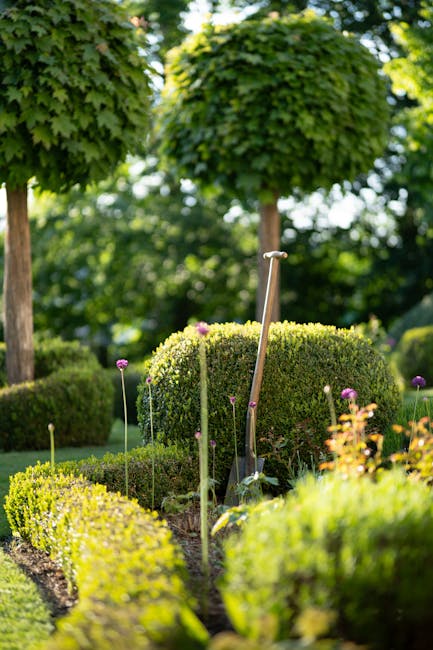
Green Street garden maintenance experts for busy homes
If your garden keeps sliding to the bottom of the to-do list, you are not alone. Work, family, travel, and the usual London pace can make even a small outdoor space feel like one more thing asking for attention. That is exactly where Green Street garden maintenance experts for busy homes make life easier: they keep the garden healthy, tidy, and usable without asking you to spend every weekend wrestling weeds or trying to remember when the lawn was last cut.
In practical terms, good garden maintenance is not about making the space look perfect for one afternoon. It is about steady care, sensible planning, and knowing what needs doing now versus what can wait. Done well, it protects plant health, improves kerb appeal, reduces surprise repairs, and gives you a garden that feels ready when you finally have time to use it.
This guide explains how the service works, who it suits, what to expect, common mistakes to avoid, and how busy homeowners can get the most value from regular maintenance. You will also find a simple checklist, a comparison table, and a realistic example to help you decide what level of help actually makes sense.
Table of Contents
- Why Green Street garden maintenance experts for busy homes Matters
- How Green Street garden maintenance experts for busy homes Works
- Key Benefits and Practical Advantages
- Who This Is For and When It Makes Sense
- Step-by-Step Guidance
- Expert Tips for Better Results
- Common Mistakes to Avoid
- Tools, Resources and Recommendations
- Law, Compliance, Standards, or Best Practice
- Options, Methods, or Comparison Table
- Case Study or Real-World Example
- Practical Checklist
- Conclusion
- Frequently Asked Questions
Why Green Street garden maintenance experts for busy homes Matters
A garden can quietly drift from "pleasant and lived-in" to "slightly overwhelming" faster than most people expect. A few missed cuts, some wet weather, a spell of growth in spring, and suddenly the beds are packed, the lawn is patchy, and the patio is looking tired. For busy homes on and around Green Street, that pressure is real. There is only so much time, and outdoor maintenance tends to be the job that slips first.
Professional garden maintenance matters because it prevents small issues from turning into bigger, more expensive ones. Light pruning now can avoid heavy corrective work later. Regular weeding stops invasive growth from taking over. Timely lawn care helps the grass stay dense enough to resist moss and bare patches. Even simple tasks like edging, sweeping, and seasonal tidy-ups make the whole space feel calmer. Truth be told, a garden often looks neglected not because it is large or complex, but because it has not been maintained consistently.
There is also a practical lifestyle angle. If your garden is supposed to be a place for morning coffee, children's play, pet time, or relaxed summer evenings, then it needs to be ready when you are. That is the difference between a space you own and a space you actually use. Busy households tend to benefit most from structured care because they do not need occasional enthusiasm; they need a reliable system.
For many properties, maintenance also supports the rest of the outdoor environment. Hedge growth can affect light. Poor drainage can make paths slippery. Overgrown trees can shade borders too heavily or create wind issues. When maintenance is planned properly, it supports the whole garden rather than just one visible corner. If you are also thinking about a broader refresh, a well-timed package can sit neatly alongside landscaping support or more regular gardening services.
How Green Street garden maintenance experts for busy homes Works
Good maintenance starts with observation. A proper gardener does not just turn up and cut everything short. They look at growth patterns, seasonal conditions, soil condition, plant health, drainage, boundaries, access, and the amount of time the home actually has for ongoing upkeep. That first look matters more than people sometimes realise.
In a typical maintenance visit, the work is usually built around a sensible priority order. High-impact, repetitive tasks happen first: lawn mowing, weed control, hedge trimming, deadheading, and clearing debris. Then comes the more careful work: checking plants for stress, shaping shrubs properly, feeding where appropriate, and handling any minor problem areas before they spread. Some homes only need monthly support. Others, especially during the spring and early summer surge, need a more frequent rhythm.
Busy homes often benefit from a maintenance plan rather than ad hoc visits. That might mean seasonal visits with a clear list, or a repeat schedule that covers growth-heavy periods more closely. The point is consistency. A garden that is maintained little and often usually stays healthier and takes less effort than one that is rescued once or twice a year. You can also combine services where needed, for example using lawn care alongside lawn mowing when the grass needs both routine cutting and treatment.
There is a simple reason this works: gardens respond to rhythm. Miss a hedge trim for one month, and the job becomes twice as awkward. Leave patio grime for too long, and cleaning takes more effort. Let weeds set seed, and they become next season's problem as well. Steady care reduces the drama. No drama is usually a good thing in garden maintenance.
Key Benefits and Practical Advantages
The biggest benefit is obvious: less work for you. But that is only the start. Regular maintenance creates a chain reaction of practical gains that busy homeowners notice quickly.
- More usable space: Paths stay clear, lawns stay walkable, and borders do not spill over into seating areas.
- Healthier planting: Pruning, feeding, and basic monitoring help shrubs and perennials cope better with the seasons.
- Lower repair bills: Catching problems early often costs less than fixing them later.
- Better appearance: A neat garden lifts the whole property, even on grey days when everything else feels a bit flat.
- Less stress: You stop looking out of the window and thinking, "I must deal with that at some point."
- Safer surfaces and access: Regular sweeping, clearance, and trimming reduce trip hazards and awkward overgrowth.
There are softer benefits too. A cared-for garden is more inviting, which matters if you host friends, have children who like to play outside, or simply want a place to sit without first doing a mini excavation. Some homeowners also find it easier to maintain a simpler planting style once the structure is in order. That is where ideas from container gardening or ground cover planting can help reduce future upkeep while still looking attractive.
And yes, there is a quiet satisfaction in opening the back door and not being met by an apologetic tangle of weeds. A small thing, maybe. But a real one.
Who This Is For and When It Makes Sense
This kind of service is ideal for households that want a good-looking garden but do not have the time, tools, or energy to keep on top of it every week. That includes families with packed schedules, homeowners who travel often, people working long hours, landlords who want a presentable outdoor area, and older residents who still enjoy the garden but do not want the physical strain.
It also makes sense if your outdoor space has a few recurring trouble spots. Maybe the lawn always thins out in shade. Maybe the hedges seem to grow overnight. Maybe the patio collects moss and dirt every winter, and nobody wants to pressure-wash it by hand. In those cases, the issue is not laziness. It is simply that some gardens need more regular attention than a spare Saturday can reasonably provide.
Busy homes with children or pets often see strong value from maintenance too. A tidy, well-managed garden is easier to supervise, cleaner underfoot, and more pleasant to use. If you are trying to make the space safe and enjoyable for the family, it helps to think in practical layers: lawn, boundaries, hard surfaces, planting structure, and seasonal care. The blog on dog-friendly gardening strategies has useful ideas if pets are part of the picture, while child-friendly garden ideas can help shape safer, more usable layouts.
If your garden has become a bit abandoned, maybe after a move, renovation, or a busy life phase, then a maintenance plan can be the gentlest way back. Not a dramatic overhaul on day one. Just a measured reset.
Step-by-Step Guidance
Here is a straightforward way to approach garden maintenance if you want to stay in control and get good results without overcomplicating it.
- Walk the space properly. Start with a slow look around. Check which areas are overgrown, which plants are healthy, where water gathers, and where access is awkward.
- List the non-negotiables. For most homes this means mowing, edging, hedge trimming, weed control, and debris clearance. If the hard landscaping is grimy, note that too.
- Separate routine care from one-off work. Routine care keeps the garden stable. One-off work might include clearing a neglected corner, reshaping shrubs, or dealing with damaged fencing.
- Set a realistic schedule. Spring and early summer usually need more frequent visits. Autumn often needs clearing and preparation. Winter tends to be lighter but still important.
- Match tasks to the season. For example, pruning, leaf clearance, lawn treatment, and mulching each make more sense at certain times than others.
- Review the results after a few visits. You should be able to see fewer weeds, better structure, improved access, and less weekend catch-up work.
A useful rule of thumb: if the garden always looks as though it was just missed by a storm, your schedule is probably too loose. If it starts to feel dull and overmanaged, the cutbacks might be too frequent. Balance matters. Not perfection. Balance.
Where maintenance uncovers bigger issues, it may be worth bringing in specialist help rather than trying to solve everything at once. For example, if a tree is overextended, diseased, or creating safety concerns, tree surgery support is a more appropriate route than a simple prune. If your boundaries need improvement, fencing services can restore structure and privacy. And if the outside surface has become slippery or stained, patio cleaning may be the fastest way to bring the area back to life.
Expert Tips for Better Results
The best maintenance plans are rarely the fanciest ones. They are the ones that quietly prevent problems before they become a headache. Here are some practical tips that genuinely help.
- Keep the garden's structure simple. Strong edges, clear paths, and a few reliable planting layers are easier to maintain than a densely packed space with no breathing room.
- Choose plants with your lifestyle in mind. If you do not have time for constant pruning or staking, avoid plant choices that demand exactly that.
- Mulch where appropriate. It helps lock in moisture and suppress weeds, which reduces labour over time. The article on organic waste in soil is a useful starting point for understanding soil-friendly approaches.
- Trim hedges before they become oversized. A light trim is always easier than a rescue job. If you want a deeper look at technique, hedge shaping and trimming is worth reading.
- Deal with weeds while they are small. Once they seed, they multiply the workload. Simple, unglamorous, but true.
- Plan for weather, not against it. Wind, heavy rain, and winter damp all change the maintenance rhythm. A resilient garden is one built with local conditions in mind. The guide on handling strong wind in the garden gives a good feel for this.
One small bit of advice that gets ignored far too often: do not try to do every task on the same weekend. You will know what I mean if you have ever started with a quick tidy and ended up covered in leaf mould, with half the afternoon gone. Break it up. The garden will still be there on Monday.
If you want visual structure with low fuss, consider a few evergreen climbers, ground covers, or container groupings. They can make the space feel deliberate rather than busy. The ideas in evergreen climbers for shade and vertical gardening can be especially helpful in tighter urban gardens.
Common Mistakes to Avoid
Busy homeowners often make the same few mistakes, and they are all understandable. The trouble is that they usually create more work later.
- Waiting until everything is overgrown. Once the garden reaches that stage, maintenance becomes recovery work.
- Cutting too much at once. Over-pruning can stress plants and leave the garden looking bare or lopsided.
- Ignoring the lawn. A poor lawn affects the whole look of the garden. It is often the first thing people notice, even if they do not mean to.
- Using the wrong tool for the job. A blunt hedge trimmer or tired mower can make work harder and the finish rougher.
- Forgetting hard surfaces. Patios, paths, and decked areas also need attention. Dirt, algae, and leaf build-up can quickly change how safe and pleasant they feel.
- Choosing plants that are too demanding. Beautiful, yes. But if a plant needs more attention than the household can give, it becomes a burden.
Another mistake is treating maintenance and improvement as the same job. They overlap, but they are not identical. Maintenance keeps things healthy and tidy. Improvement changes the space. If the garden needs both, it is often sensible to tackle maintenance first so you can see the layout clearly before making bigger decisions. That is where a broader regular maintenance plan can support later improvements.
And here is one small, honest truth: trying to fix a whole garden in one day often ends with tired hands, a half-finished compost heap, and an awkward promise to yourself that "next weekend will be different." Usually it won't. Better to work steadily.
Tools, Resources and Recommendations
You do not need every garden tool under the sun, but the right few make a huge difference. For homeowners who handle some of the upkeep themselves between visits, the essentials are usually a decent mower, shears, secateurs, gloves, a rake, a stiff broom, and a bucket or trug for cuttings and debris.
For ongoing upkeep, it also helps to keep an eye on soil condition, drainage, and seasonal planting choices. Basic soil improvement, sensible mulching, and timely feeding can all help reduce future maintenance. If you are looking for practical ideas on how to build a lower-effort garden, the article on inexpensive garden solutions for busy homeowners is a solid companion read.
Useful support areas to think about include:
- Lawns: regular cutting, edging, scarifying where needed, and sensible feeding routines.
- Hedges and shrubs: light, timely trimming rather than major corrections.
- Patios and paths: sweeping, cleaning, and moss control to keep them safe and attractive.
- Boundaries and trees: checking for damage, crowding, or overgrowth that affects light and access.
- Seasonal planting: choosing plants that suit the site instead of fighting it every year.
If you enjoy a calmer, more intentional garden style, you may also like inspiration from zen garden ideas, garden seating inspirations, or creating a herb garden oasis. These are not maintenance shortcuts by themselves, but they can steer choices toward spaces that are easier to live with.
Law, Compliance, Standards, or Best Practice
For most routine garden maintenance, the main concern is best practice rather than complex compliance. Still, there are a few sensible points busy homeowners should keep in mind.
First, if work involves trees, large branches, heavy climbing, or visible signs of disease or instability, it is generally better handled carefully and, where needed, by a qualified professional. Tree work can become hazardous quickly. A cautious approach is sensible, not overcautious. If you suspect a structural issue, the safer route is specialist tree surgery rather than a DIY guess.
Second, if your garden sits near a shared boundary, be considerate with hedge heights, overhanging growth, and access. Many disputes begin with something simple that was left too long. A tidy, regular approach is usually the friendliest one.
Third, take care with waste. Green waste should be handled responsibly, especially after heavy clear-outs. Composting is often useful where appropriate, and the blog on organic waste in soil offers a practical way to think about reusing garden material without turning the place into a pile of bags.
Fourth, if any work involves tools, ladders, slippery surfaces, or power equipment, standard safety practice matters. Gloves, eye protection, stable footing, and a tidy work area are not glamorous, but they matter. A lot.
In a busy-home setting, the best practice is simple: keep tasks manageable, avoid risky shortcuts, and call in more specialist support where the job asks for it. That is not overkill. It is just good judgment.
Options, Methods, or Comparison Table
Different homes need different levels of help. The right option depends on time, budget, garden size, and how much ownership you want over the day-to-day upkeep.
| Maintenance approach | Best for | What it usually covers | Main drawback |
|---|---|---|---|
| DIY only | Small gardens, flexible schedules, hands-on homeowners | Mowing, light weeding, basic trimming, sweeping | Easily slips during busy periods |
| Occasional tidy-up visits | Homes that need seasonal resets or catch-up work | Clearance, hedge reshaping, border refresh, debris removal | Problems can build between visits |
| Regular maintenance plan | Busy households wanting a consistently neat garden | Scheduled mowing, pruning, weeding, lawn care, general upkeep | Needs commitment and a clear schedule |
| Full garden management with specialist add-ons | More complex gardens or properties needing extra care | Maintenance plus planting, hard landscaping support, fencing, tree work, patio cleaning | Can be more involved than some homes need |
For many Green Street households, the sweet spot is usually a regular maintenance plan with occasional specialist input. That gives consistency without forcing you to overbuy services you do not need. If you are improving structure or access at the same time, decking services and routine mowing can be combined sensibly with maintenance visits.
Case Study or Real-World Example
Here is a realistic example based on a common kind of busy-home situation. A family with a modest rear garden had fallen behind over one spring and early summer. Nothing dramatic. Just weeds in the borders, a hedge that had gone soft at the edges, a lawn starting to look tired, and a patio with that slightly green, slippery look after a damp spell. The garden was still usable, but only just.
Instead of trying to tackle everything in one exhausting weekend, they split the work into stages. First came a tidy-up: debris removal, weeding, and a proper cut back of the worst growth. Next came structural maintenance: hedge trimming, lawn recovery, and a clear sweep of the patio. After that, the focus moved to prevention, with a regular plan for mowing and seasonal checks. No big drama. No grand redesign. Just a garden that gradually stopped feeling like a chore.
The big change was not only appearance. It was confidence. The homeowners knew what would happen next month, not just today. The garden became easier to use, easier to keep tidy, and less mentally noisy. That "mental noise" piece matters more than people think. If you have ever looked at the back garden and felt guilty before breakfast, you will know what I mean.
In cases like this, a few targeted additions can help too. If the garden needs more definition, new fencing can make the space feel contained. If the lawn is the biggest weak point, pairing maintenance with lawn care is a practical move. And if the patio has become the thing that lets the whole space down, patio cleaning can have an outsized visual effect.
Practical Checklist
Use this as a quick reality check before booking or planning garden maintenance for a busy home.
- Do you know which tasks are recurring and which are one-off?
- Is the lawn being cut often enough for the season?
- Are hedges, shrubs, and climbers still in scale with the space?
- Are weeds being removed before they seed?
- Do paths, patios, and steps stay safe and clear?
- Is there a simple plan for leaf fall and seasonal debris?
- Are any plants struggling because of shade, wind, or poor soil?
- Do you need basic maintenance, or do you also need boundary, tree, or landscaping support?
- Is there a realistic schedule you can actually keep?
- Will the garden still suit your lifestyle six months from now, not just this week?
Expert summary: for busy homes, the smartest garden maintenance plan is rarely the most ambitious one. It is the one that stays consistent, protects the structure of the garden, and reduces future work without creating more admin for you.
Get a free quote today and see how much you can save.
Conclusion
Green Street garden maintenance experts for busy homes are really about one thing: making outdoor life manageable again. Not perfect. Manageable, healthy, and pleasant to use. That is the win. With the right rhythm of mowing, trimming, clearing, and seasonal care, a garden stops becoming another unfinished task and starts becoming part of the home again.
If your space has slipped, do not overthink the rescue. Start with the basics, build a simple plan, and get help where the work is clearly too much for one household to carry alone. A good garden does not need constant fussing. It needs steady attention and a bit of common sense. Thankfully, that is enough most of the time.
And honestly, there is a lovely moment when the garden finally feels easy again. You open the door, hear the birds, see the path clear, and think: yes, that feels better.
Frequently Asked Questions
What do Green Street garden maintenance experts for busy homes actually do?
They handle regular upkeep tasks such as mowing, weeding, hedge trimming, pruning, clearing debris, and keeping lawns, borders, and paths in good order. The aim is to keep the garden healthy and usable without requiring the homeowner to stay on top of every detail.
How often should a busy home book garden maintenance?
It depends on the garden and the season. Many homes benefit from more frequent visits in spring and early summer, then a lighter rhythm in autumn and winter. Fast-growing gardens often need more regular attention than compact, low-growth spaces.
Is regular garden maintenance better than occasional tidy-ups?
For most busy homes, yes. Regular maintenance usually prevents the garden from becoming overgrown, which makes each visit quicker and less expensive in effort. Occasional tidy-ups are useful too, but they work best as a backup rather than the main plan.
Can maintenance include lawn care as well as mowing?
Yes, and that is often the best approach. Mowing keeps the lawn tidy, while broader lawn care helps with density, condition, moss control, and long-term resilience. The two work best together, especially where the grass is patchy or tired.
What is the difference between garden maintenance and landscaping?
Maintenance keeps the garden in good shape. Landscaping changes the layout, structure, or design of the space. If your garden needs a refresh, maintenance is usually the first step. If you want to redesign it, landscaping comes into play.
Do I need tree surgery or just routine pruning?
If the issue is minor growth, routine pruning may be enough. If a tree looks unhealthy, unstable, heavily overgrown, or potentially hazardous, tree surgery is the safer and more suitable option. When in doubt, specialist assessment is the sensible route.
Can garden maintenance help if my garden has been neglected for months?
Yes. A neglected garden can usually be restored step by step, starting with clearance, cutting back overgrowth, and re-establishing structure. It is often better to do this in stages rather than trying to force a full transformation in one go.
How do I keep maintenance costs sensible?
Choose a realistic schedule, prioritise the tasks that make the biggest difference, and avoid letting the garden reach a point where heavy recovery work is needed. Keeping the space simple and plant choices practical also helps a lot over time.
What should I prepare before a maintenance visit?
It helps to clear access, mention any problem areas, and make a short list of priorities. If there are pets, gates, or awkward corners, pointing those out early saves time and avoids confusion. A little prep goes a long way.
Are patios and fencing included in garden upkeep?
They can be, depending on the service setup and what the garden needs. Patios often benefit from cleaning and weed control, while fencing may need repairs or replacement if it is affecting privacy or security. These jobs often sit naturally alongside maintenance.
What are the most common signs my garden needs professional help?
Fast return of weeds, patchy grass, overgrown hedges, slippery hard surfaces, poor visibility, and a general sense that the garden is always one step behind are all strong signs. If you keep thinking you will tackle it "next weekend," that is usually a clue.
How can I make my garden easier to maintain in the long term?
Use plants that suit the site, keep borders simple, build in mulch, maintain regular mowing and trimming, and avoid overcrowding. Gardens become easier when they are designed with real life in mind, not just ideal weather and endless spare time.
Is this service useful for small gardens too?
Absolutely. Small gardens can be surprisingly demanding because every detail is visible. Regular maintenance keeps them looking sharp without turning them into a weekend burden. In a compact space, consistency matters even more.