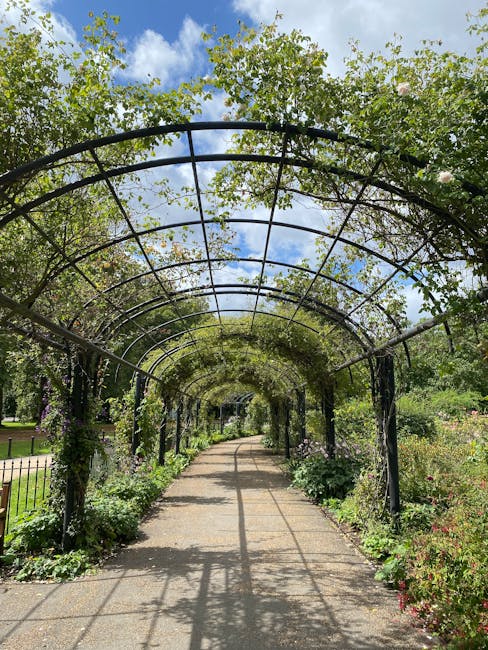
Find Trusted Gardeners near Upton Park station: a practical local guide to choosing the right team
If you are trying to Find Trusted Gardeners near Upton Park station, you are probably after more than just someone who can cut grass and leave. You want a gardener who turns up, understands your space, and knows the difference between a quick tidy-up and proper care. Fair enough. In a busy part of East London, that reliability matters just as much as the work itself.
This guide walks you through what trusted gardening support really looks like, how to compare options, what services matter most around Upton Park, and how to avoid the usual headaches. You will also find practical checklists, a comparison table, and a few local examples that make the decision easier. Let's keep it grounded and useful.
Why Find Trusted Gardeners near Upton Park station Matters
Choosing a gardener is a trust decision, not just a convenience one. Around Upton Park station, outdoor spaces tend to deal with the usual city mix: shade from neighbouring buildings, compact gardens, hard surfaces that collect grime, and planting areas that can feel squeezed for room. A dependable gardener sees those details and plans around them instead of applying the same routine everywhere. That sounds obvious, yet it is exactly where many bad experiences start.
Trust matters because garden work affects more than appearances. Poor hedge cutting can leave weak growth. Bad pruning can stress shrubs. Heavy-handed lawn care can strip health from turf for months. And if someone is careless with tools near fencing, decking, or patios, the repair bill can get silly, fast. A trusted local gardener should help the garden improve steadily, not create extra work for you later.
There is also the simple matter of time. Many homeowners near the station juggle commuting, school runs, work from home calls, and the general noise of city life. A gardener who communicates clearly and works efficiently takes pressure off your week. You notice it most on those damp mornings when the front path is slick and the back garden looks like it needs a reset. A good team makes that feel manageable.
In practice, "trusted" usually means three things: consistency, care, and clear expectations. If a gardener gives precise advice, respects access instructions, and explains what they are doing, you are already ahead of the game.
How Find Trusted Gardeners near Upton Park station Works
The process is simpler than people think, but only if you know what to look for. Most gardening jobs begin with a walkthrough or a short discussion about the space, the issues, and the outcome you want. Some jobs are straightforward, like regular lawn mowing in Upton Park or seasonal hedge trimming. Others need more planning, such as reworking a tired border, dealing with overgrown trees, or improving a whole garden layout.
A trusted gardener usually follows a clear pattern:
- They ask a few sensible questions about the garden, access, and timing.
- They identify what is urgent and what can wait.
- They suggest a realistic plan, not a fantasy overhaul squeezed into one afternoon.
- They explain materials, waste removal, and any tricky parts before work begins.
- They return when agreed and complete the job cleanly.
That last part sounds basic. Yet lots of garden jobs are let down by poor follow-through. A slightly messy finish, missed clippings, or a half-done edge can make the whole visit feel sloppy. Not ideal.
For larger jobs, the process may include specialist areas such as landscaping services, tree surgery support, or structural work like garden fencing and decking services. A well-organised gardener will tell you when a task is routine maintenance and when it needs specialist attention. That judgement is part of trust too.
Key Benefits and Practical Advantages
When you find the right gardener, the benefits show up quickly. The garden looks better, of course, but the real value goes deeper than that.
Better long-term plant health. A knowledgeable gardener cuts, feeds, and clears with the plant's future in mind. That means fewer mistakes and less recovery time after maintenance.
Less stress for you. You are not chasing missed appointments or trying to explain the same garden problem three times. You just know what is happening and when.
Cleaner outdoor spaces. Many gardens around stations gather dust, algae, leaf litter, and foot traffic grime. Jobs like patio cleaning can make a surprisingly big difference to how the whole place feels.
More usable space. A tidy and well-planned garden is easier to sit in, grow in, and enjoy. If you have been thinking about a small seating corner, a planting strip, or a more functional layout, proper maintenance helps that happen naturally.
Smarter spending. To be fair, a cheaper gardener is not always cheaper once you factor in rework, plant replacement, or repairs. Spending a little more on dependable work can save money over the season.
Here is the simple truth: regular care almost always beats rescue work. A maintained garden is calmer, cheaper, and easier to live with. An overgrown one is just... louder. In a visual sense, if you know what I mean.
Who This Is For and When It Makes Sense
This kind of local gardening support suits a wide range of people. You might be a homeowner who wants the garden to feel tidy without spending every weekend on it. You might manage a rental property and need reliable upkeep between tenants. Or perhaps you have inherited a garden that has become a bit wild and you want to bring it back under control without starting from scratch.
It also makes sense if your space has specific needs. For example:
- Small urban gardens that need regular pruning and clutter removal
- Lawns that need better care, not just occasional cutting
- Hedges that are getting too tall or too wide for the space
- Patios and paths that need cleaning after wet weather or heavy use
- Gardens with awkward shade, wind exposure, or poor drainage
- Homes where pets or children use the outdoor space often
If your garden is mainly decorative, you may want light seasonal maintenance. If it is your main outdoor living area, you may need a more comprehensive approach, including garden maintenance and maybe occasional lawn care to keep the space healthy rather than merely presentable.
And if you are staring out at a patch that feels beyond saving, you are not alone. That kind of situation is exactly where an experienced gardener can make the biggest difference. The first step is often simpler than it looks.
Step-by-Step Guidance
If you want to choose well, follow a practical process instead of picking the first name you see. A little method here saves a lot of regret later.
1. Define the job properly
Write down what you actually need. Be specific. "Garden tidy" could mean weeding, hedge cutting, clearing leaves, lawn recovery, or a full reset. The clearer you are, the easier it becomes to compare options fairly.
2. Separate maintenance from improvement
Maintenance keeps things under control. Improvement changes the garden's function or look. For example, mowing and pruning are maintenance. Installing a new border, reshaping a seating area, or changing the layout is improvement. If you know which one you need, you can avoid mismatched expectations.
3. Ask about the scope of work
A trusted gardener should be able to explain what is included. Are clippings taken away? Is waste bagged? Will they work around plants that need extra care? If there are stones, edging, awkward access, or shared entrances, mention that too. Small details matter more than people realise.
4. Check whether specialist help is needed
Some jobs are not garden-variety, so to speak. If a tree is large, unsafe, or tangled with nearby structures, you may need professional tree surgery. If the boundary is weak or exposed, a fence repair or replacement may be part of the solution. If the whole garden needs a redesign, look at landscaping support.
5. Compare approach, not just price
One gardener may quote quickly and cheaply. Another may ask more questions and price in more detail. The second approach often signals better care. Price matters, yes, but so does the thinking behind it.
6. Start with a smaller job if you are unsure
If you are testing a new gardener, begin with a manageable task. Maybe hedge trimming, lawn work, or a simple tidy-up. That gives you a real feel for communication, punctuality, and finish quality before you commit to bigger work.
7. Review the result and keep notes
After the first visit, take a minute to look over the work. Did they respect the space? Was the finish neat? Did they leave the area tidy? A couple of notes now make future bookings easier and more consistent.
Expert Tips for Better Results
A few small habits make a big difference when working with local gardeners. The first is to keep the garden accessible. Move bikes, bins, toys, and loose furniture the day before if you can. It saves time and means the gardener can get on with the job instead of stepping around obstacles.
Second, think seasonally. Spring and early summer are often about growth control, weeding, and shaping. Late summer can be about recovery and keeping things tidy. Autumn is the time to stay ahead of leaf fall, damp patches, and tired borders. Winter brings its own challenges, and a bit of planning now can help protect plants later. A useful read on that is winter preparation for garden plants.
Third, match planting choices to real conditions. If you have a shady patch, don't keep forcing sun-loving plants into it. If the garden is windy, choose tougher species and sheltered placements. There is a good reason experienced gardeners talk about conditions before they talk about colour. Conditions come first. Always.
Fourth, use maintenance to unlock better design. A well-kept garden can support more ambitious ideas later, such as seating, vertical planting, or compact edible spaces. If you enjoy practical ideas, container gardening tips and vertical gardening ideas are worth exploring. They work especially well in tighter urban gardens.
And one more thing: if your gardener explains things in plain English rather than jargon, that is a very good sign. You want clarity, not performance. Nobody needs a lecture on mulch at 8:00 on a Tuesday morning.
Common Mistakes to Avoid
People often make the same few mistakes when hiring gardening help. The good news is they are easy to avoid once you know what they are.
- Choosing only on the cheapest price. A low figure can be fine, but not if it comes with rushed work or vague scope.
- Not defining the job. If you say "sort the garden," you may get a different outcome than you imagined.
- Ignoring waste removal. Garden debris piles up quickly. Ask how it will be handled.
- Overlooking specialist work. Trees, fencing, and hard landscaping need the right level of expertise.
- Skipping the first walkthrough. A short conversation can prevent most misunderstandings.
- Expecting one visit to solve months of neglect. Sometimes that happens, but often a phased approach is more realistic and better for the garden.
One mistake I see regularly is wanting a "perfect" garden right away while also asking for minimal budget and zero disruption. Lovely idea. Slightly unrealistic, though. A better plan is to prioritise the work that gives the biggest visible and practical gain first.
Tools, Resources and Recommendations
You do not need to become a garden expert yourself, but a few tools and habits make the whole process smoother.
For the homeowner:
- A simple notebook or phone note with garden issues, dates, and seasonal reminders
- Clear access to outdoor taps, gates, and storage points
- Basic photos of problem areas before work begins
- A list of plants you want protected, retained, or removed
For better collaboration:
- Be clear about whether you want a one-off tidy or recurring visits
- Ask whether the garden needs lawn-focused care, planting work, or both
- Share pet access details early, especially if you use the space daily
If you want to deepen your own understanding between visits, a few helpful topics include essential tools for outdoor gardeners, weed management, and using organic waste to improve soil. These are practical, down-to-earth reads that help you make better decisions without turning gardening into homework.
If your garden is being used by children or pets, that changes the priorities slightly. Durable surfaces, safer planting choices, and clear walkways matter more. For ideas on that kind of planning, child-friendly garden ideas and dog-friendly gardening strategies are genuinely useful.
Law, Compliance, Standards, or Best Practice
For most domestic gardening work, the main concerns are safe practice, neighbour consideration, and proper waste handling. Gardeners should work carefully around boundaries, avoid causing damage, and respect access agreements. If a task involves taller trees, unstable branches, or work near structures, it is wise to treat it as specialist work rather than a casual trim.
It is also normal in the UK for professional gardeners to follow sensible health and safety practices, use well-maintained tools, and clear waste responsibly. You do not need a legal lecture to spot the difference between careful work and slapdash work. If the person protecting your garden seems to be fighting the garden, that is a red flag.
Best practice also means being honest about limitations. A gardener should say when a plant is failing, when soil needs improvement, or when a space needs more than pruning. That honesty is part of trust. If they recommend a phased approach, that is usually a sign they care about the result rather than rushing to close the job.
For certain projects, specialist input may be appropriate. Large trees, major reshaping, or structural outdoor features often fall outside simple maintenance. That is when services like tree surgery, decking work, or fence installation become more relevant. Knowing the difference helps you get the right help without overcomplicating things.
Options, Methods, or Comparison Table
There is more than one way to keep a garden in good shape. The right option depends on your space, your budget, and how much you want to do yourself.
| Approach | Best for | Pros | Trade-offs |
|---|---|---|---|
| One-off tidy-up | Overgrown gardens, seasonal resets, move-in prep | Fast improvement, immediate visual impact | Needs follow-up to stay neat |
| Regular maintenance | Busy homeowners, rental properties, small urban gardens | Reliable, easier to budget, healthier long term | Less dramatic change at first |
| Targeted specialist work | Trees, fencing, patios, lawns, or layouts needing attention | Solves specific problems properly | May need coordination with other tasks |
| Full garden improvement | Spaces needing both practical and visual change | Transforms how the garden feels and functions | Longer lead time, more planning needed |
In real life, people often combine these. For example, they might start with a tidy-up, then add lawn care, then later improve the layout. That is usually the most sensible route. Slow and steady wins plenty of gardens, even if it sounds less exciting than a big makeover.
Case Study or Real-World Example
Imagine a typical compact garden near the station: a narrow lawn, a patio with a bit of algae, one hedge that has started to creep into the path, and a couple of tired beds at the back. It is not a disaster, just neglected enough that nobody feels excited about using it.
The first visit focuses on the basics. The gardener cuts back the hedge, clears debris, tidies the borders, and gets the lawn back under control. The patio is cleaned, so it stops looking grey and slippery. The next visit deals with the soil and the planting structure. Maybe a few shrubs are reshaped, maybe a border gets mulch, maybe the lawn gets a little more targeted care. Nothing dramatic. Just sensible, cumulative improvement.
After that, the space starts being used again. A small table comes out. The back corner feels less forgotten. You can hear birds in the morning instead of just the buzz of the street. That shift is what good gardening support is really about. Not perfection. Usability. A place that feels looked after.
If a tree is blocking light or throwing shade over the whole garden, that might become the next priority. Or if the fence is leaning and letting the whole space feel exposed, that could go before planting. Good gardeners help you sequence the work in a way that makes sense, rather than throwing everything at once at the problem.
Practical Checklist
Use this before you hire anyone or book the first visit.
- Have I clearly described the work I need?
- Do I know whether this is maintenance, improvement, or both?
- Have I identified any specialist jobs like tree work, fencing, or landscaping?
- Do I know what should happen to green waste and debris?
- Have I mentioned access issues, pets, parking, or shared entrances?
- Do I want a one-off visit or regular garden care?
- Have I asked about timing, finish expectations, and follow-up?
- Do I have a few photos ready if the garden is hard to explain?
- Have I checked whether the gardener offers the specific support I need, such as general gardening services or lawn mowing?
- Am I confident the person understands my priorities, not just my to-do list?
If you can tick most of those off, you are in a strong position. If not, spend five more minutes thinking it through. It genuinely helps.
Get a free quote today and see how much you can save.
Conclusion
To Find Trusted Gardeners near Upton Park station, focus on more than the headline promise. Look for clarity, consistency, proper scope, and a real understanding of how your space works. The best gardeners do not just "do the job"; they make the garden easier to live with over time. That is the bit people remember.
Whether you need simple upkeep, a seasonal reset, or help with bigger outdoor changes, a reliable local gardener should leave you feeling informed rather than uncertain. And honestly, that feeling matters. A garden should become a calm part of home life, not another thing on your worry list.
Take your time, ask the right questions, and start with the work that will make the biggest difference first. The right help can turn a slightly tired outdoor space into somewhere you genuinely want to spend time. Even on a grey London afternoon, that makes a difference.
Frequently Asked Questions
How do I know if a gardener near Upton Park station is trustworthy?
Look for clear communication, a sensible explanation of the work, and realistic timing. Trustworthy gardeners usually ask questions before they quote, rather than making vague promises. They should also be clear about what is included, especially if waste removal or specialist work is involved.
What should I ask before booking garden maintenance?
Ask what is included, how often the work should be repeated, whether debris is removed, and whether any specialist tasks may be needed. It also helps to ask how they handle access, pets, and weather delays. Simple questions, but very useful ones.
Can a gardener also help with lawn care and hedge trimming?
Yes, many local gardeners handle routine lawn care and hedge trimming as part of broader garden maintenance. If your lawn is patchy or your hedges are getting out of control, ask whether those tasks can be bundled together. It often makes planning easier.
Is one-off gardening enough, or do I need regular visits?
That depends on the condition of the garden and how quickly it grows back. A one-off visit works well for a reset or seasonal tidy. Regular visits are better if you want the space to stay neat, especially for busy households or rental properties.
What is the difference between gardening and landscaping?
Gardening usually means ongoing care such as pruning, mowing, weeding, and planting. Landscaping is broader and can include redesigning the space, changing levels, adding features, or improving layout. If your garden needs both upkeep and a new look, you may need both kinds of support.
Do I need specialist help for large trees?
If a tree is large, near a structure, or looks unsafe, specialist help is the safer choice. Basic pruning is not the same as proper tree work. A trusted gardener should be able to tell you when the job needs more than standard maintenance.
How much should I expect to pay for a gardener?
Pricing varies depending on the job, garden size, frequency, and whether waste is removed. It is better to compare like for like than to focus on a single number. Ask what is included in the estimate so you can judge value properly.
What if my garden is very overgrown?
That is more common than people think. Start with a clear description or photos and ask for a phased plan if needed. Many overgrown gardens are best handled in stages: first clearance, then shaping, then long-term maintenance.
Can a gardener help make a small garden feel bigger?
Yes. Good gardeners often use planting structure, clear edges, vertical planting, and better circulation to make a small space feel more open. Even simple changes, like improving the sightlines or reducing clutter, can make a real difference.
Should I choose a gardener based on reviews alone?
Reviews can be helpful, but they should not be the only factor. You also want clear communication, relevant experience, and a good fit for the specific job. A well-reviewed gardener who does not understand your needs is not the best choice.
What if I need fencing or patio cleaning as well?
That is quite normal. Many gardens need more than one type of work at the same time. If the fence is tired or the patio is slippery, those jobs can often be planned alongside routine garden care so the whole space improves together.
How far in advance should I book a gardener near Upton Park station?
For routine work, it is sensible to book ahead, especially in spring and early summer when gardens grow quickly. For urgent tidy-ups or post-storm issues, you may want to ask sooner rather than later. A little lead time always helps.