020 3744 3778
Inspiring Young Minds with a Vibrant Child-Friendly Garden
Posted on 31/05/2025
Inspiring Young Minds with a Vibrant Child-Friendly Garden
Children are naturally curious and eager to explore the world around them. Nurturing this curiosity is vital for their growth, creativity, and cognitive development. One of the most effective ways to achieve this is by designing a vibrant child-friendly garden. Such a garden does more than beautify your outdoor space--it becomes a living classroom, bursting with opportunities for hands-on learning, imagination, and fun.
Why Create a Child-Friendly Garden?
- Encourages Exploration and Discovery: A child-safe garden invites children to touch, smell, observe, and learn about the natural world, fostering curiosity and independent thought.
- Promotes Healthy Outdoor Activity: Developing kids' gardens encourages physical movement, which is crucial for their mental and physical well-being.
- Teaches Responsibility and Patience: Caring for plants instills responsibility, patience, and a sense of accomplishment as children witness the fruits of their labor.
- Supports STEM Learning: A garden sparks interest in science, technology, engineering, and math by demonstrating real-world cycles like photosynthesis, weather patterns, and ecosystems.
- Strengthens Family Bonds: Designing and maintaining the garden together fosters collaboration, communication, and cherished memories.
Designing the Ultimate Vibrant Child-Friendly Garden
1. Choose Safe, Engaging Plants
Your vibrant children's garden should feature plants that are safe, non-toxic, and enticing for kids. Opt for bright colors, various textures, and interesting fragrances to stimulate their senses.
- Sunflowers: Tall, fast-growing, and visually impressive, sunflowers inspire awe and are easy for kids to grow from seed.
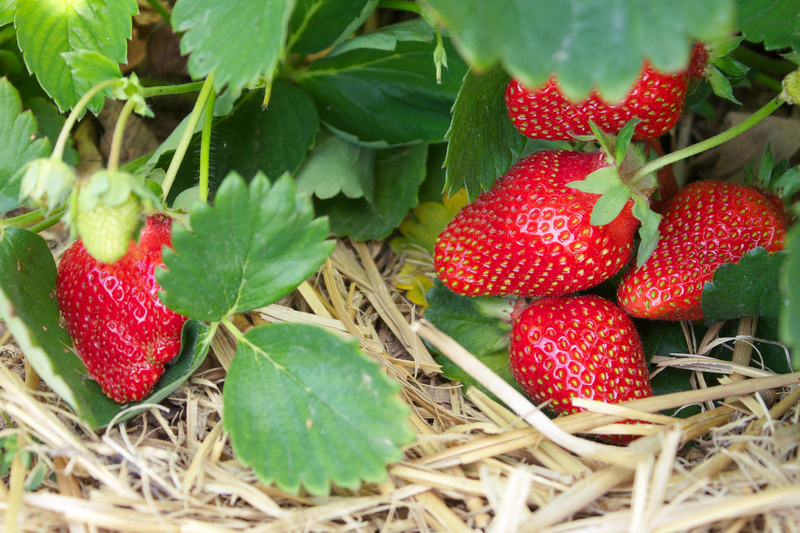
- Strawberries: Edible plants let children enjoy the literal fruits of their labor, offering tasty rewards for their efforts.
- Lamb's Ear: The fuzzy, soft leaves encourage children to touch and discover different plant textures.
- Sweet Peas: Fragrant blossoms make these a joy to smell and observe.
- Pumpkins or Gourds: Watching these sprawling vines grow large fruits is endlessly fascinating for young minds.
Avoid plants with toxic berries, thorns, or other potential hazards. Always cross-reference with reputable gardening guides for safety.
2. Create Cozy Spaces for Creative Play
A child-friendly outdoor space should be as much about play as it is about plants. Incorporate nooks, secret corners, or even a small hideaway using natural elements.
- Willow Dens or Teepees: Use living willow or bamboo to create a green, leafy shelter.
- Story Circles: Arrange logs or stumps in a circle for outdoor storytelling and group activities.
- Bean Tunnels: Grow climbing beans over an archway for an enchanting living tunnel.
- Water Elements: Add a shallow bird bath or a small stream for safe, supervised water play and wildlife watching.
These cozy spaces encourage imaginative play, reading, and quiet moments of reflection, all within a natural environment.
3. Sensory Zones for Active Learning
Transform your child's garden into a multi-sensory wonderland. Consider these elements:
- Touch: Include plants with unusual textures and a sandbox or mud kitchen area for hands-on play.
- Sight: Choose plants that flower at different times for year-round color. Use painted stones, whimsical sculptures, or colorful pots for added vibrancy.
- Smell: Lavender, mint, basil, and lemon balm offer delightful scents and can be used in crafts or cooking.
- Sound: Incorporate wind chimes or rustling grasses. Bird feeders will also encourage birds to visit and sing.
Stimulating multiple senses not only enhances learning but also makes the garden an engaging and immersive environment for children.
How to Engage Kids in Gardening
1. Involve Them in Planning
Let your children be part of the garden's design process. Give them a sense of ownership by:
- Allowing them to select plants or seeds
- Designing their special "plot" or container
- Drawing a garden map together
This involvement boosts their excitement and commitment to caring for the garden as it grows.
2. Make Learning Fun
Easily turn gardening chores into enjoyable, educational experiences:
- Start a plant growth diary or photo journal
- Weigh and measure harvests to practice math skills
- Investigate bugs or soil with magnifying glasses
- Introduce simple experiments, such as comparing plant growth in sun and shade
Relating daily gardening tasks to science, math, and nature creates a vibrant child-centered outdoor classroom.
3. Celebrate Achievements
Whether your young gardener grows a single bean sprout or a bounty of tomatoes, celebrate every milestone:
- Host a garden party or picnic using your homegrown produce
- Make art with pressed flowers or garden sketches
- Display certificates or achievement badges for their efforts
The Benefits of a Vibrant Child-Friendly Garden
Educational Opportunities
Gardening is a gateway to countless learning experiences beyond the classroom. Kids learn about:
- The life cycle of plants and pollinators
- Weather patterns, seasons, and climate
- Nutrition, where food comes from, and sustainable living
- Teamwork and problem-solving as they plan and work together
Physical and Mental Health Benefits
Spending time in a garden built for children offers:
- Improved mood and reduced stress levels
- Enhanced fine and gross motor skills through digging, planting, and watering
- Sunlight exposure, which is important for vitamin D and healthy bones
- Reduced screen time and increased physical activity
Time spent in a child-first outdoor environment can greatly support overall health, confidence, and resilience.
Environmental Stewardship
By nurturing a love for nature early, children gain a deep respect for the planet:
- Understanding the importance of pollinators and insects
- Learning to recycle and compost garden waste
- Encouraging biodiversity and eco-friendly practices
Creative Ideas for a Dynamic Garden for Kids
1. Grow an Edible Garden
Nothing excites children more than seeing--and tasting--the vegetables and fruits they have grown.
- Plant cherry tomatoes, snap peas, baby carrots, radishes, or even miniature pumpkins.
- Add herbs like mint and parsley for sensory picking and tasting.
- Let children help prepare meals with their garden harvest, sparking an interest in healthy eating.
2. Start a Wildlife Garden
Invite bees, butterflies, frogs, and birds by:
- Planting pollinator-friendly flowers such as marigolds, lavender, and coneflowers.
- Creating bug hotels from natural materials and logs.
- Installing a bird bath or nesting boxes to observe feathered friends.
This approach gives young minds a direct connection to local wildlife, adding excitement and wonder to your vibrant child-friendly garden.
3. Add a Fairy or Dinosaur Garden
Set aside a small patch for a themed mini-garden. Decorate with figurines, painted rocks, and tiny structures:
- Fairy Garden: Craft miniature houses, use little bells or wind chimes, and plant delicate flowers.
- Dinosaur Dig: Bury toy fossils or bones for excavations and choose "prehistoric" looking plants, such as ferns.
4. Paint and Decorate
Get creative by having children:
- Paint plant markers, stepping stones, or pots
- Craft wind spinners and garden decorations
- Design their own personalized signs for their special garden area
Personal art projects make the space feel uniquely theirs and add to the vibrant atmosphere.
Safety Tips for a Child-Friendly Garden
1. Select Non-Toxic Plants
Prioritize safety by avoiding plants that are harmful if touched or ingested. Consult reputable sources or your local gardening center for guidance.
2. Enclose the Area
Install fences or boundaries to keep the play area secure, especially for younger children. Gateways can be adorned with archways or vines for visual appeal and functionality.
3. Use Age-Appropriate Tools
Provide child-safe tools made from lightweight, rounded, and durable materials. Always supervise young kids during gardening activities.
4. Ensure Safe Pathways
Lay down mulch, bark, or soft ground cover for safe walking and crawling. Stepping stones should be flat and stable to prevent tripping.
5. Avoid Chemicals
Opt for organic and natural pest control methods. Teach kids the importance of respecting insects and using environmentally friendly products.
Conclusion: Cultivating Creativity and Curiosity with a Vibrant Garden for Young Minds
A vibrant, child-friendly garden is more than just a play area--it is a dynamic, colorful, and engaging environment that inspires discovery, fosters learning, and grows lifelong memories. Whether you have a spacious yard or a small patio, transforming any outdoor space into a magical oasis for children is possible and rewarding.
By choosing safe, intriguing plants, creating interactive play and sensory zones, and involving kids at every step, you cultivate not just a garden but a thriving ecosystem for creativity, physical activity, and connection with nature.
Start planting the seeds of wonder today and watch your young ones blossom into enthusiastic gardeners, eager learners, and passionate environmental caretakers--all thanks to the power of a vibrant child-friendly garden.
Frequently Asked Questions (FAQs) about Inspiring Young Minds with Vibrant Child-Friendly Gardens
What are the best plants for a child's garden?
Choose sunflowers, strawberries, lamb's ear, cherry tomatoes, snap peas, and marigolds. These are safe, easy to grow, and exciting for children to observe and tend.
How can I make my garden more engaging for kids?
Incorporate cozy hideaways, sensory elements, wildlife habitats, and creative art projects. Encourage hands-on learning and let children participate in planning and caring for the garden.
Is gardening safe for young children?
Yes, with proper supervision and by selecting non-toxic plants, safe tools, and secure play areas, gardening is a safe and highly beneficial activity for kids.
How can a vibrant garden benefit my child's development?
Gardening enhances fine and gross motor skills, teaches responsibility, supports STEM learning, fosters creativity, and encourages an environmental mindset.