020 3744 3778
Harnessing the Climate Solutions in Your Garden
Posted on 20/09/2025
Harnessing the Climate Solutions in Your Garden: A Comprehensive Guide
Gardening is not just a hobby or a means of beautifying your surroundings; it's a critical pathway for addressing some of the most pressing environmental challenges of our time. As climate change accelerates, every backyard, community plot, and urban balcony can become part of the solution. In this detailed guide, we delve deep into harnessing climate solutions in your garden--transforming your green space into a powerful force for ecological resilience.
Why Your Garden Matters in Climate Action
It might surprise you to learn that small-scale gardening and landscaping choices collectively have a significant impact on the fight against climate change. By making intentional decisions about what and how you plant, manage pests, and conserve resources, you can reduce your ecological footprint while creating a climate-resilient landscape.
- Gardens sequester carbon in soil and plant biomass.
- Efficient gardening practices help conserve water and energy.
- Thoughtful plant selection can create habitats for pollinators and wildlife.
- Sustainable gardens buffer against climate volatility, such as droughts, floods, and temperature spikes.
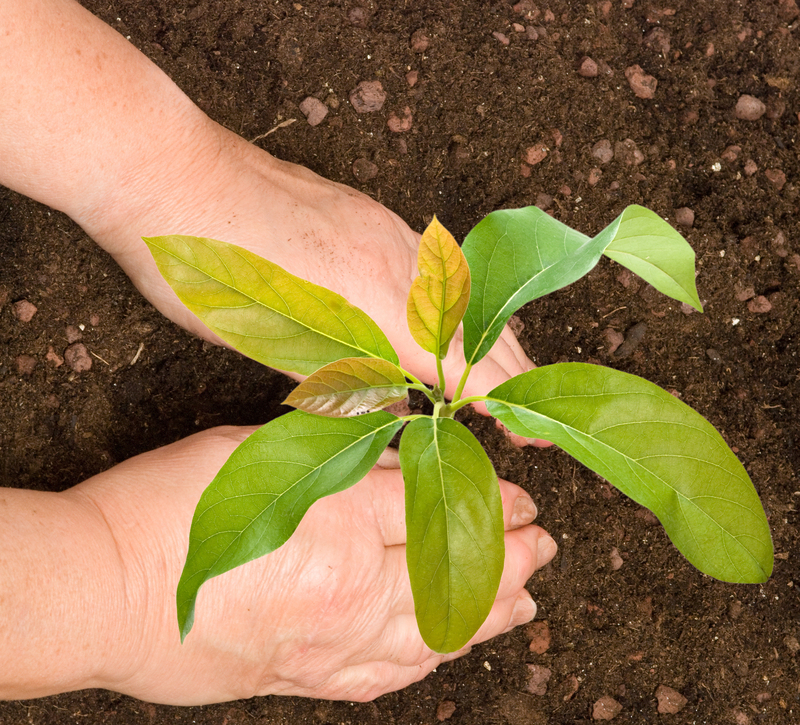
Understanding the Garden-Climate Connection
Every element of your garden--from the plants you choose to the way you manage soil--contributes to a broader climate solution. Plants naturally remove CO2 from the air and store it in their tissues. Rich, healthy soil also acts as a long-term carbon sink. Moreover, wisely designed gardens can minimize resource waste and become sanctuaries for biodiversity.
The Power of Photosynthesis
At its core, climate-smart gardening leverages photosynthesis: the process by which plants convert sunlight, water, and carbon dioxide into oxygen and organic matter. By maximizing plant growth and health, your garden can draw down more carbon from the atmosphere.
Soil as a Carbon Sink
Healthy soil is loaded with organic matter--roots, decomposing plant material, and microbial life--all of which sequester carbon. Soil stewardship is thus a central step in implementing garden-based climate solutions.
Top Climate Solutions for Every Home Garden
Let's explore practical and effective climate-smart gardening techniques you can start today. These strategies not only support a healthy environment but also make your garden more resilient and beautiful.
1. Grow a Diverse Mix of Plants and Trees
- Planting native trees and shrubs is one of the most robust ways to sequester atmospheric carbon.
- Diverse gardens support greater biodiversity--critical for ecosystem resilience.
- Edible landscapes (fruits, vegetables, herbs) reduce your food's carbon footprint by minimizing transportation emissions.
Tip: Use a blend of perennials and annuals. Perennial plants, especially deep-rooted species, store more carbon in the soil year after year.
2. Composting: The Zero Waste Solution
- Composting plant waste returns essential nutrients to the soil and prevents methane generation in landfills.
- Homemade compost acts as a natural fertilizer, minimizing the need for synthetic chemicals.
- Boosts soil health, enhances water retention, and encourages beneficial microbes.
**Getting started is easy:** Combine kitchen scraps, dry leaves, grass clippings, and garden debris in a pile or bin. Turn regularly for aeration and use mature compost to feed your plants.
3. Mulching for Moisture and Carbon Storage
- Mulch suppresses weeds, conserves soil moisture, and slows evaporation--reducing your need to water.
- Organic mulches (wood chips, straw, shredded leaves) break down into carbon-rich organic matter.
Mulching is a simple yet powerful way to lock carbon in the soil and buffer temperature swings.
4. Smart Water Management
- Install rain barrels or cisterns to capture stormwater for irrigation.
- Design your garden with swales or rain gardens to slow, spread, and sink water naturally.
- Drip irrigation systems maximize water efficiency and reduce emissions from pumped water.
Judicious watering, especially in drought-prone regions, is crucial for climate-resilient gardening.
5. Sustainable Pest and Weed Management
- Encourage beneficial insects and birds--nature's pest control experts--through habitat planting.
- Avoid synthetic pesticides that can harm soil life, pollinators, and water quality.
- Practice crop rotation, companion planting, and timely manual weeding for healthier, more balanced gardens.
6. Reducing Chemical Inputs
Synthetic fertilizers and pesticides are often fossil-fuel-based, contributing to greenhouse gas emissions. Instead:
- Use organic soil amendments and compost.
- Test your soil to apply only what's needed.
7. Choose Low-Carbon Tools and Practices
- Exchange gas-powered lawn mowers and trimmers for electric, battery-operated, or manual tools.
- Share equipment with neighbors or join local tool libraries to reduce consumption.
- Opt for locally-sourced, sustainable materials in garden structures and paths.
Designing a Climate-Smart Garden
Embrace Native and Climate-Adapted Plants
Native plants are specially adapted to your region's rainfall, temperature, and soil--requiring less water, fertilizer, and maintenance. They are also vital for wildlife, supporting bees, butterflies, and birds.
- Research your USDA Plant Hardiness Zone or local climate trends to select the most resilient plants.
- Integrate drought-tolerant, flood-tolerant, or heat-loving species based on predictions for your area.
Encourage Urban Greening
If you live in a city or have limited space, don't underestimate the impact of container gardens, rooftop plots, or vertical green walls. Every plant counts toward urban carbon sequestration and cooling.
- Use balconies, patios, or sunny windowsills to grow herbs and vegetables.
- Install living walls or community garden plots for collective climate benefits.
Resilient Garden Layouts for Changing Climates
Design your garden beds to follow the contour of the land, slow runoff, and minimize erosion. Plant windbreaks (like hedges or rows of trees) to shield sensitive plants and reduce heat loss during cold snaps.
- Layer canopy trees, understory shrubs, and groundcovers for optimum biodiversity and temperature regulation.
- Use permeable paths and bioswales to increase rainwater absorption.
Measuring Your Garden's Climate Impact
Every action, no matter how small, contributes to a larger cumulative effect. To track the climate solutions in your garden, you can:
- Estimate your garden's carbon sequestration potential using online calculators or guides from environmental organizations.
- Keep a simple log of compost produced, green waste reduced, or rainwater captured over the year.
- Monitor wildlife sightings and pollinator activity as a sign of increased ecosystem health.
Additionally, share your experiences in your local community or online to inspire others to multiply the impact.
Case Studies: Gardens Tackling Climate Change
Community Gardens as Urban Carbon Sinks
In many cities, underutilized lots have been transformed into community gardens that not only provide fresh produce but also store significant carbon in soil and plant biomass. These spaces offer cooling effects, oxygen production, and better stormwater management--all vital solutions for climate adaptation.
Home Vegetable Gardens Reducing Food Miles
By growing your own vegetables, herbs, and fruits, you reduce the emissions associated with transporting, packaging, and refrigerating store-bought produce. Homegrown food is fresher, tastier, and has a smaller carbon footprint.
School Gardens Educating for Climate Awareness
Schools across the globe are integrating gardens into their curriculum to teach climate literacy, sustainability, and nutrition. Students become stewards of the environment, learning hands-on climate solutions from an early age.
Common Myths About Climate Solutions in Gardens
- Myth: "My garden is too small to make a difference." In reality, millions of small gardens add up to significant global impact.
- Myth: "Sustainable gardening is expensive." Many climate-friendly practices save money by reducing inputs and resource use.
- Myth: "All plants store the same amount of carbon." Deep-rooted, woody plants and trees are generally the most powerful carbon sinks.
Getting Involved: Beyond Your Backyard
The ripple effect of harnessing climate solutions in your garden extends far beyond your property line. Here's how you can amplify your impact:
- Volunteer in local tree plantings, parks, or urban greening initiatives.
- Swap seeds, compost, and tools within your neighborhood to build resilient networks.
- Advocate for city policies that protect green spaces and promote climate-smart landscaping.
- Educate friends, schools, and community groups about sustainable gardening's climate benefits.
Frequently Asked Questions on Climate-Smart Gardening
- Q: What is the single most effective climate solution for my garden?
A: Planting and maintaining native trees offers one of the highest returns for carbon sequestration and ecosystem support. - Q: How can I garden sustainably in drought-prone areas?
A: Use native, drought-tolerant species, mulch well, implement rainwater harvesting, and avoid watering during peak sun hours. - Q: Can urban gardeners combat climate change?
A: Absolutely. Urban gardens--from balconies to green roofs--reduce urban heat, store carbon, and provide vital habitat. - Q: Is composting worth the effort for small gardens?
A: Yes! Even a small compost bin reduces landfill waste, enriches soil, and closes the nutrient loop.

Resources and Next Steps
Harnessing climate solutions in your garden is a rewarding, ongoing journey. For further inspiration and guidance, check out:
- Local cooperative extension offices for plant and soil advice.
- National Audubon Society or Xerces Society for pollinator-friendly landscaping tips.
- Project Drawdown for research on land-based climate solutions.
- Online calculators to estimate your garden's carbon sequestration.
Conclusion: Your Garden is a Climate Solution
If you're seeking practical ways to address climate change at home, look no further than your garden. By harnessing climate solutions in your garden, you're not only creating a lush, beautiful space but becoming an active steward of our shared future. Every seed sown, compost pile turned, and drop of water conserved echoes as a hopeful note in the global movement for a stable, thriving climate.
Start small, dream big, and let your patch of earth make a world of difference.