020 3744 3778
Gardening for Beginners: Unlock Success with These 9 Tips
Posted on 19/08/2025
Gardening for Beginners: Unlock Success with These 9 Tips
Are you eager to start your own garden but unsure where to begin? Gardening for beginners doesn't have to be intimidating. With a sprinkle of patience and the right guidance, you can create a lush and rewarding outdoor oasis. In this comprehensive guide, you'll discover powerful tips and strategies for starting a thriving garden, even if you've never picked up a trowel before. Let's unlock your green-thumb potential with these 9 essential tips for gardening beginners!
Why Start Gardening?
Gardening isn't just about plants--it's about cultivating well-being. From reducing stress to enjoying fresh homegrown veggies, there are so many benefits to learning gardening basics. Gardening for novice gardeners opens up avenues for exercise, creativity, and a deeper connection with nature. Ready to take the plunge? Read on for the best tips for first-time gardeners!
1. Start Small and Dream Big
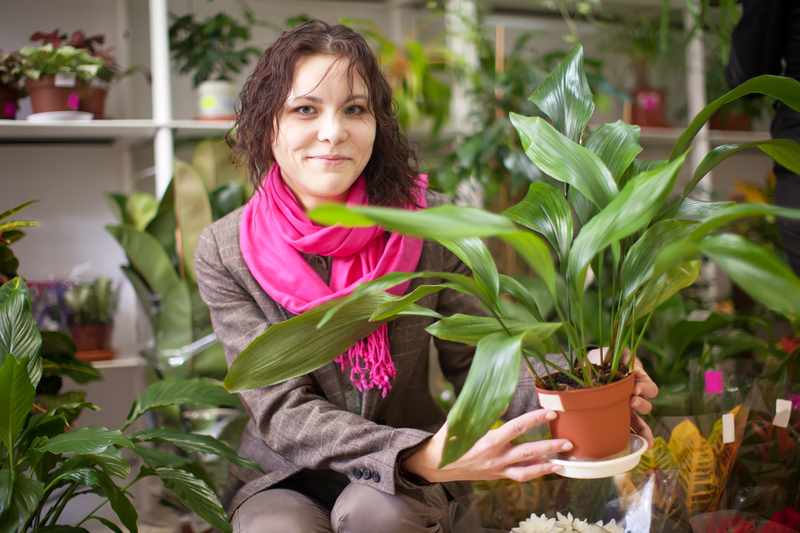
If you're new to gardening, it's tempting to go all-in, but starting small is key. A manageable plot or a few containers on your balcony or patio allows you to focus on learning without feeling overwhelmed.
- Begin with easy-to-grow plants such as lettuce, radishes, or marigolds.
- Opt for a raised bed or containers if you lack yard space--they're easier to control and weed.
- Expand your gardening as your confidence and skills grow!
2. Choose the Right Location
One major factor in successful beginner gardening is location. Most vegetables, herbs, and flowers thrive with at least 6 hours of sunlight per day, so observe your space:
- Watch where sunlight falls during the day.
- Consider the proximity to a water source for easy irrigation.
- Ensure good drainage to avoid waterlogged roots.
- If you're gardening indoors, select a bright windowsill or add grow lights as needed.
3. Understand Your Soil
Your soil is the foundation of gardening success. Healthy soil provides nutrients, water, and support to your plants.
- Test your soil's texture by squeezing a handful--sandy soil falls apart, clay sticks together, loam holds its shape but crumbles.
- Add organic matter like compost to improve soil fertility and structure.
- Consider buying a simple soil testing kit to check pH and nutrient levels, especially if you plan to grow edible crops.
Tip: Container gardening beginners can start with store-bought potting mixes to ensure a good balance of nutrients and drainage.
4. Pick the Right Plants
Not all plants are created equal, especially for gardening beginners. Choose varieties suited to your region and experience level:
- Check your USDA Hardiness Zone or local weather conditions for guidance.
- Start with low-maintenance, resilient plants such as sunflowers, zinnias, basil, mint, and cherry tomatoes.
- Read seed packets or nursery labels for care instructions, sunlight, and water requirements.
- Mix in some native plants for better survival rates and easier care.
Gardening for Beginners - Plant Recommendations:
- Vegetables: Radishes, lettuce, kale, bush beans
- Herbs: Basil, parsley, chives, mint
- Flowers: Marigolds, pansies, zinnias, sunflowers
5. Master Watering Basics
Water is life for plants, but overwatering is a rookie mistake. Gardening for first-timers means finding the sweet spot between too much and too little.
- Water early in the morning or late afternoon to reduce evaporation and prevent leaf diseases.
- Stick your finger in the soil--if the top inch feels dry, it's time to water.
- Focus water at the roots, not the leaves, to prevent fungus and mildew.
- Containers and raised beds tend to dry out faster than in-ground gardens--check them daily, especially in hot weather.
6. Feed and Mulch for Healthy Growth
Like all living things, plants need nutrients to thrive. Fertilizing and mulching are two key practices every beginner gardener should embrace:
- Mix slow-release organic fertilizer or compost into your soil before planting.
- Mulch around your plants with shredded leaves, straw, or bark to retain moisture, regulate temperature, and prevent weeds.
- Replenish mulch as needed, especially after heavy rain or weeding.
Pro Tip: Don't overdo the fertilizer! Too much can damage plants; always follow label directions for amounts and frequency.
7. Practice Smart Pest and Disease Control
Even small gardens can attract pests and disease. As a beginner, take these measures to keep your plants healthy and productive:
- Regularly inspect your garden for chewed leaves, webbing, or discoloration.
- Hand-pick insect pests like aphids, beetles, or caterpillars as soon as you spot them.
- Encourage natural predators, like ladybugs and birds, to keep pests in check.
- Use gentle remedies, like neem oil, insecticidal soap, or homemade garlic spray, before resorting to chemical pesticides.
- Rotate crops and avoid planting the same species in the same spot each year to reduce disease risk.
8. Learn the Art of Pruning and Deadheading
To make your garden burst with blooms and keep your plants bushy and productive, you'll need to prune and deadhead:
- Prune to shape plants, remove dead or diseased stems, or control size.
- Deadhead (remove spent flowers) to encourage new blooms in annuals like zinnias or petunias.
- Always use clean, sharp tools to avoid spreading disease.
- Don't be afraid to cut back leggy growth--many herbs and flowers become fuller with regular trimming.
9. Stay Patient and Keep a Garden Journal
Gardens don't appear overnight. Patience and observation are crucial for gardening beginners. Track your successes and your challenges in a journal:
- Record planting dates, weather conditions, and bloom times.
- Note which plants perform well and which struggle.
- Jot down pest or watering problems and how you solved them.
- Review your notes each year to learn and improve.

Frequently Asked Questions - Gardening for Beginners
How much time does it take to maintain a garden?
Most beginner gardens require about 15-30 minutes per day, especially during the growing season. Consistent attention makes all the difference!
Is gardening expensive for first-timers?
Gardening can be budget-friendly! Start with basic tools, seeds, or starter plants. Upcycle containers or use recycled materials, and make your own compost for fertilizer.
What are the easiest plants for beginners?
Some of the best choices include radishes, green beans, marigolds, sunflowers, mint, basil, and nasturtiums. Herbs and fast-growing veggies are ideal for fast success.
Do I need special tools?
At minimum, you'll want a trowel, hand fork, watering can or hose, pruners, and gloves. For container gardeners, even fewer tools are needed.
Conclusion: Start Your Gardening Journey Today!
With these 9 essential tips for beginning gardeners, you're empowered to tackle your first planting season with confidence. Remember--gardening is a journey, not a destination. As you nurture your soil and seeds, you'll also cultivate patience, joy, and a love for nature. Get started now, experiment, and watch your garden grow--one leaf at a time!
- Start small and stay consistent
- Observe, experiment, and learn
- Reap the rewards of your hard work
We hope you found this Gardening for Beginners guide helpful. Have questions or success stories? Share them in the comments and keep growing!